
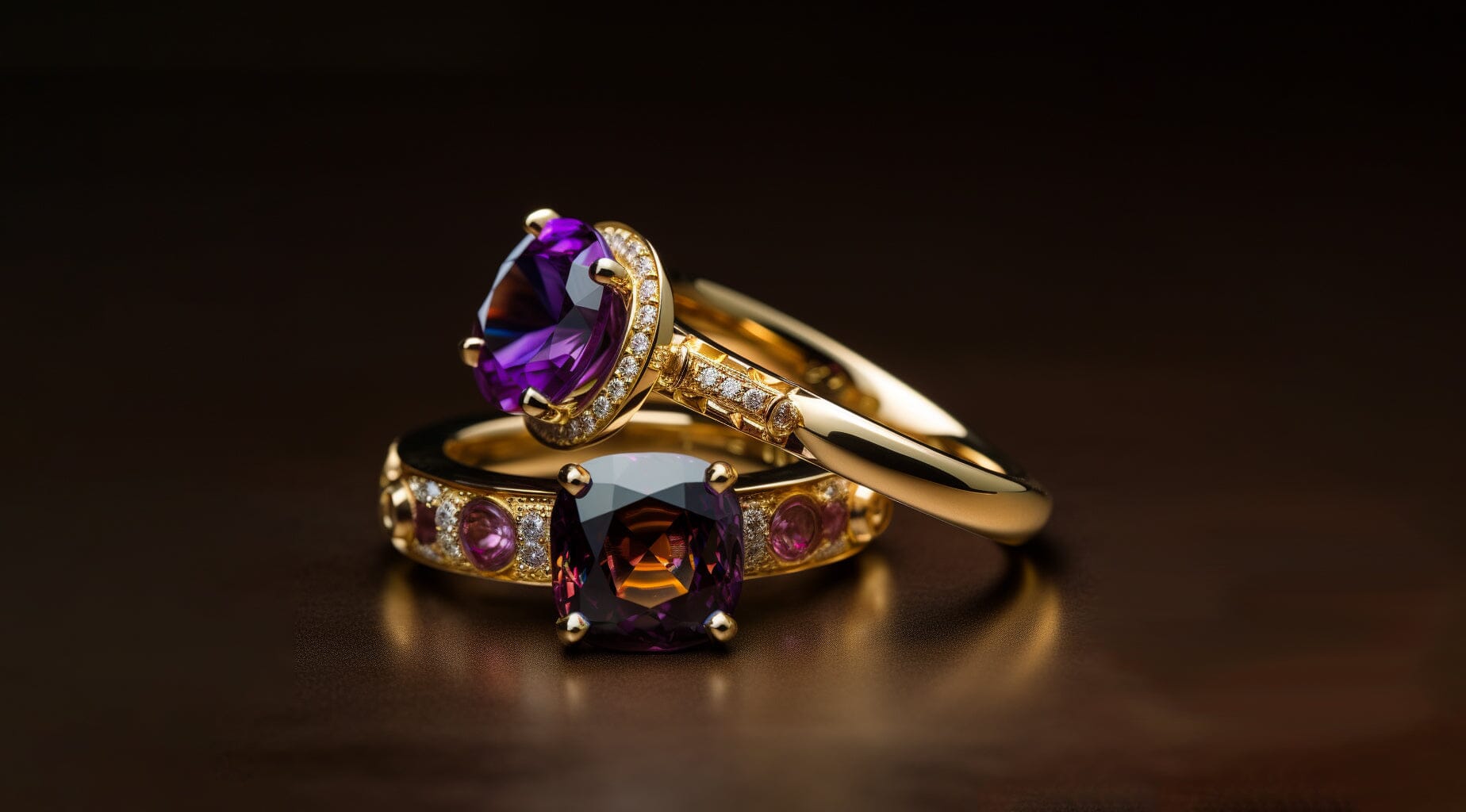
Engagement rings from the collection of Lily Arkwright have always held a special significance, serving as enduring symbols of love and commitment. In the case of Russian imperial engagement rings, these beautiful pieces of jewelry encapsulate not just the romantic bonds between emperors and empresses but also the rich tapestry of Russian history. Each ring tells a unique love story, woven together with exquisite gemstones and intricate craftsmanship, highlighting the personal and political dimensions of royal unions.
The engagement rings of the Russian imperial family often featured stunning designs that showcased the artistry of their time. Diamonds, long revered for their brilliance and durability, were a common choice, representing purity and eternal love. However, colored gemstones also played a significant role in the narrative of these royal rings. Sapphires, emeralds, and rubies were popular choices, each bringing its own symbolism and charm to the jewelry.
One of the most celebrated engagement rings in this lineage belonged to Empress Alexandra, the wife of Tsar Nicholas II. Her ring, featuring a striking cushion-cut diamond surrounded by a halo of smaller diamonds, is a testament to the deep affection shared between the couple. Beyond its stunning appearance, this ring served as a symbol of their commitment amid the mounting pressures of political unrest in early 20th-century Russia. Alexandra and Nicholas’s love story, marked by personal trials and societal challenges, is mirrored in the beauty and resilience of this exquisite piece of jewelry.
Empress Maria Feodorovna, born Princess Dagmar of Denmark, also had an iconic engagement ring that spoke to her lineage and status. Her ring, adorned with a large diamond set in a delicate filigree design, reflected not only her royal heritage but also the political alliances forged through marriage. The gemological choices made in her engagement ring illustrate how royal jewelry often served multiple purposes—symbolizing personal love while also enhancing diplomatic ties. Maria’s engagement ring stands as a poignant reminder of the intersection between love and duty in the lives of the imperial family.
The engagement rings of the Romanov daughters, particularly Grand Duchess Olga and Grand Duchess Tatiana, provide further insight into the evolving tastes and preferences of the time. Olga’s ring featured a captivating blue sapphire, while Tatiana’s was highlighted by a dazzling blue diamond. These choices reflected a growing trend among royal women to embrace colored gemstones, each ring carrying the weight of familial expectation alongside personal sentiment. Their engagement rings were not merely accessories; they were imbued with the hopes and aspirations of young women stepping into the public sphere.
As the 20th century approached, the styles of engagement rings began to evolve, influenced by artistic movements such as Art Nouveau. This period saw a shift towards more organic and flowing designs, with jewelers experimenting with intricate settings and the incorporation of various materials. The engagement rings from this era not only captured the spirit of the times but also served as expressions of individual identity, allowing the wearers to convey their personal stories through their jewelry.
The impact of the Russian Revolution in 1917 altered the course of these love stories significantly. Many engagement rings and other imperial jewels were lost, stolen, or hidden away, creating an air of mystery surrounding their fates. The tragic downfall of the Romanov family meant that the beautiful engagement rings, once symbols of love and unity, became relics of a bygone era. Today, these surviving pieces serve as poignant reminders of the resilience of love amid adversity.
In modern times, the allure of Russian imperial engagement rings continues to captivate collectors and historians alike. Auctions and exhibitions featuring these exquisite pieces provide glimpses into the lives of the women who wore them, enriching our understanding of their stories and the historical context in which they lived. Each ring tells not only a tale of love but also one of the grandeur and complexity of the Russian imperial family.
In conclusion, Russian imperial engagement rings represent a love story in gems—each piece a reflection of personal devotion, political alliance, and artistic achievement. Through the study of these remarkable jewels, we gain insight into the lives of the Romanovs and the enduring nature of love, art, and history. These rings are more than just beautiful adornments; they are lasting legacies, capturing the essence of a time when love was expressed through the artistry of precious gems.


More Stories
5 Ways a SaaS Marketing Agency Can Drive Business Growth
5 Online Tools to Optimize Your Restaurant’s Marketing Strategy
Freight Forwarding: Smarter Trade Solutions in 2025